Table of Contents
Having professional anxiety is different than simply feeling unfortunate. To be diagnosed with clinical depression, signs need to be present for two weeks or even more.
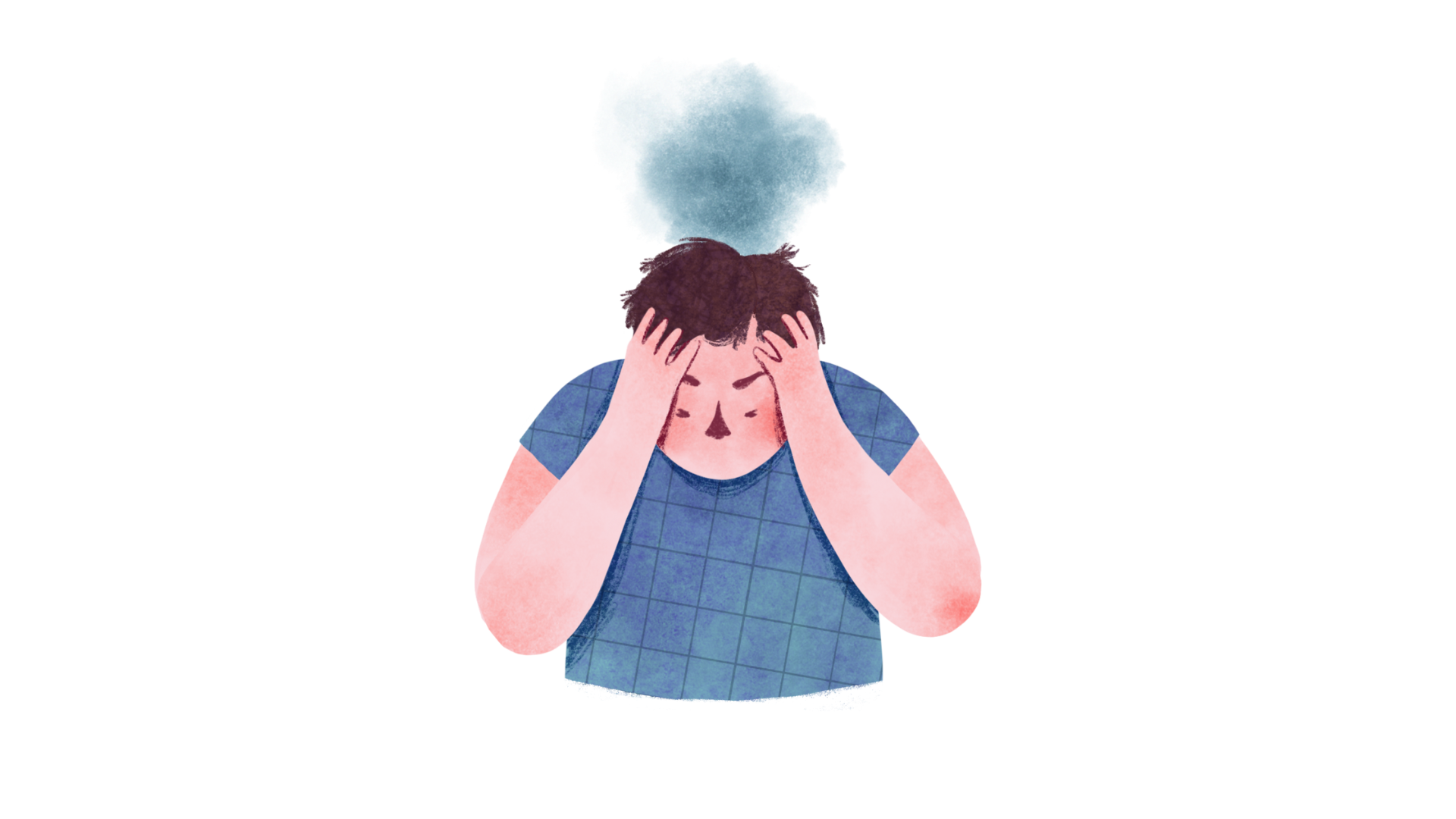
From one person to another the intensity and frequency of signs and symptoms will certainly vary, and while some individuals only experience a couple of signs and symptoms, others experience lots of. Persistent depressing, nervous, or "empty" mood Really feeling hopeless Really feeling useless Angry outbursts, irritability, or aggravation Loss of passion or enjoyment in pastimes and tasks Assuming absolutely nothing deserves trying Thinking of fatality, or that life is not worth living Absence of energy Relocating or talking slower than normal Difficulty with concentration, focus, memory, and decision making Feeling uneasy or having trouble resting still Appetite or weight changes Problem sleeping, early-morning awakening, or sleeping a lot more or much less than typical Aches or pains, frustrations, aches, or digestive issues without a clear physical reason Although clinical depression is just one of one of the most common mental conditions in the US, there is no precise recognized source of clinical depression.
Signs Internal Family Systems Therapy Makes Sense When Dealing with Building Healthy Self-Esteem
Danger elements for clinical depression consist of: Acquired attributes, personal or family background of clinical depression Environmental factors, like major life adjustments, injury, or stress Emotional factors Specific physical illnesses and drugs Biological distinctions, mind chemistry, or hormones The most effective therapy for clinical depression is drug and psychotherapy. The earlier that clinical depression is dealt with, the simpler it is to deal with.
Talking with a psychoanalyst, psycho therapist or various other psychological wellness professional, can be really beneficial for people with depression. Drugs to treat depression are called antidepressants. There are lots of type of antidepressants that do different things in the mind, like enhance exactly how the brain utilizes certain chemicals, or support your state of mind.
Holistic Counseling Addressing Complex Trauma
Some examples of antidepressants are: Discerning serotonin reuptake preventions (SSRIs) Serotonin-norepinephrine reuptake preventions (SNRIs) Atypical antidepressants Tricyclic antidepressants Monoamine oxidase preventions (MAOIs) Yes, you can have anxiousness and anxiety at the exact same time. Although they are 2 different and distinctive psychological wellness concerns, they generally take place concurrently. Sometimes, someone can have both an anxiety disorder and a major depressive problem.
In various other instances, anxiety might trigger stress and anxiety. Yes, there is a distinction in between anxiousness and depression medicine.
What Medication Enhances Treatment in San Francisco
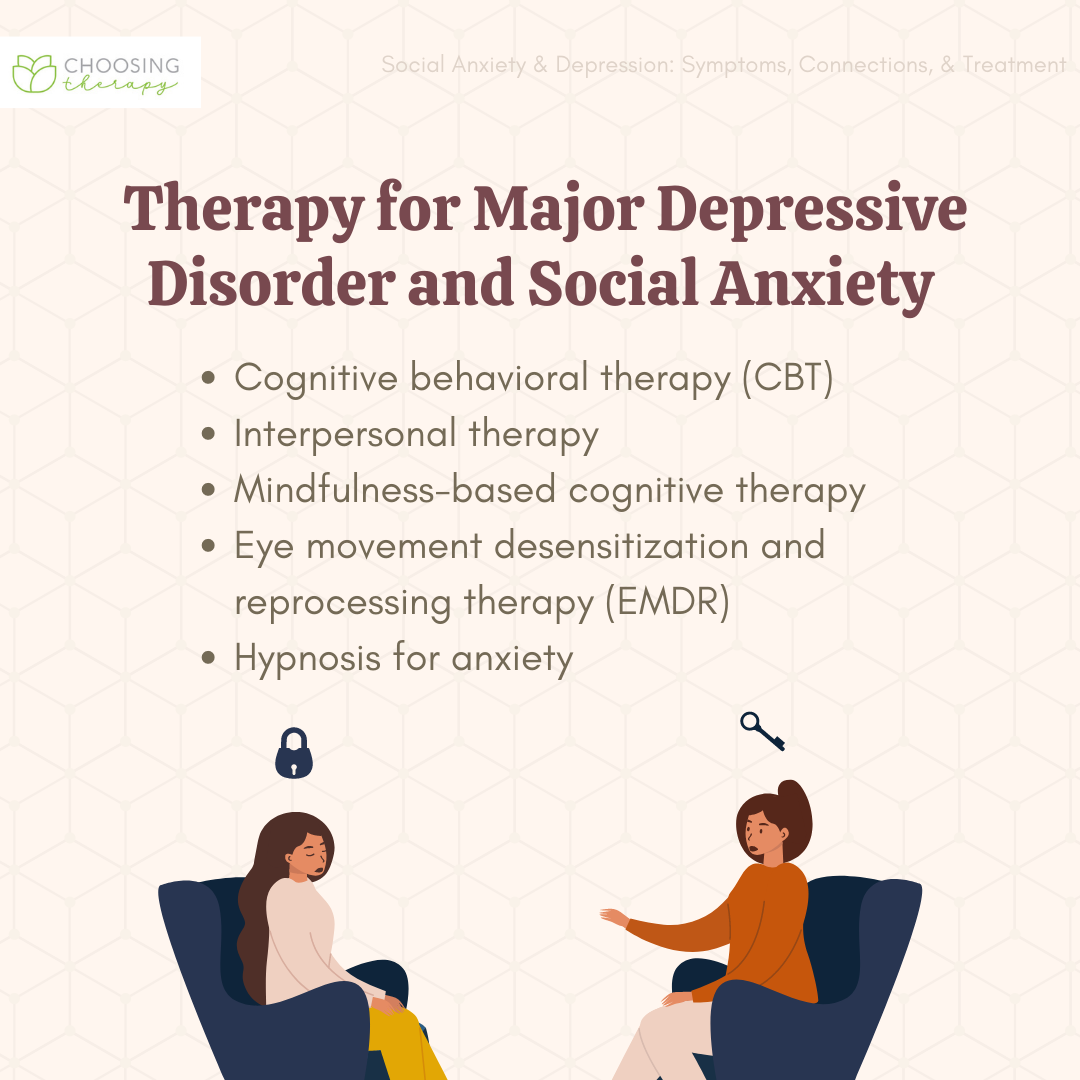
Therapy can be a useful device for individuals with anxiousness and depression. For both stress and anxiety and anxiety, CBT entails talking via habits patterns, and aids to teach people with these psychological ailments how to deal with symptoms.
For anxiety, it can aid you experience favorable feelings. The bulk of dealing with anxiety and anxiety with therapy is overlapping. Making use of evidence-based approaches specific to the treatment of mood conditions, like CBT, and constantly talking with a therapist will certainly aid those with anxiousness, clinical depression, or both, make noticeable renovations. Yes, you can get therapy for anxiety and clinical depression online.
IFS Therapy for Anxiety
Mental health and wellness is complicated. While specialists have actually created certain diagnoses for different kinds of problems, the truth is that many disorders have a lot of overlap, which can make it relatively hard to separate between two separate issues. One of one of the most typical problems that individuals have is attempting to tell the distinction in between stress and anxiety and anxiety.
While it would be fantastic if there were a fool-proof way of informing you whether you have anxiety or clinical depression, it's not quite that basic. Someone can quickly have both anxiety and anxiety, and some people might have established depression signs and symptoms as an outcome of their anxiety condition. It's a little bit harder than claiming "you have anxiety" or "you have clinical depression" since it's feasible to have mixes of both.
Signs and symptoms of one or the other may bleed right into whichever condition you have, due to the fact that both share similar causes, issues, and so on. The very best method to understand the difference between the two problems is with the primary signs and symptoms, beginning with the psychological symptoms. Anxiety: Uneasiness over what will happen and what could occur in the future.
Understanding Safety in Therapy in the Process of Mental Health Treatment
Feeling like you require to run away or prevent points that could cause more anxiousness. Anxiety: Really feeling of sadness concerning the future, as though it's hopeless.
Those with anxiety often think a poor future and do not anticipate anything else or believe there's anything worth protecting against. Anxiety can happen after someone experiences anxiousness, because somebody that deals with severe stress and anxiety might finish up feeling drained pipes and helpless as soon as their anxiety or stress and anxiety attack is over. That's why the two problems can be tough to distinguish.
Both anxiousness and anxiety can leave you really feeling drained and fatigued. In the case of anxiousness, it tends to happen after extreme anxiousness, while with depression it often tends to be much more consistent, without necessarily any type of triggers.
Physical signs and symptoms that appear like health disorders, particularly if accompanied with wellness concerns. Anxiety: Serious absence of energy or drive. Clinical depression in fact often tends to have less physical symptoms, yet the psychological signs can be so hazardous (especially the possibility for suicidal ideas) and the lack of energy so articulated that many people with clinical depression deal with intense struggles daily that absolutely rival the signs and symptoms of stress and anxiety.

Navigation
Latest Posts
Various Traumatic Experiences in Roseville, CA
Payment Navigation for Anxiety and Eating Disorder Treatment
Therapeutic Methods for Treating Generational Wounds Through Therapy for Guilt and Shame